
Effective Stress Management Techniques to Reduce Anxiety

In modern life, stress has become an unwanted companion. Whether it is work pressure, relationship problems, or financial uncertainty, chronic stress can slowly turn into anxiety and sleep disturbances.
The good news? Stress management techniques can help you regain control and improve mental well-being.
What Are Stress Management Techniques?
Stress management techniques are practical strategies designed to reduce stress levels and protect both physical and mental health.
- Break the stress response cycle
- Improve emotional regulation
- Change negative thinking patterns
- Build long-term resilience
The Science Behind Stress
When exposed to stress, your brain activates the HPA axis, releasing cortisol and adrenaline.
According to the American Psychological Association (APA), chronic stress negatively impacts both physical and mental health.
Research from Harvard Medical School confirms that relaxation techniques counteract the body’s stress response.
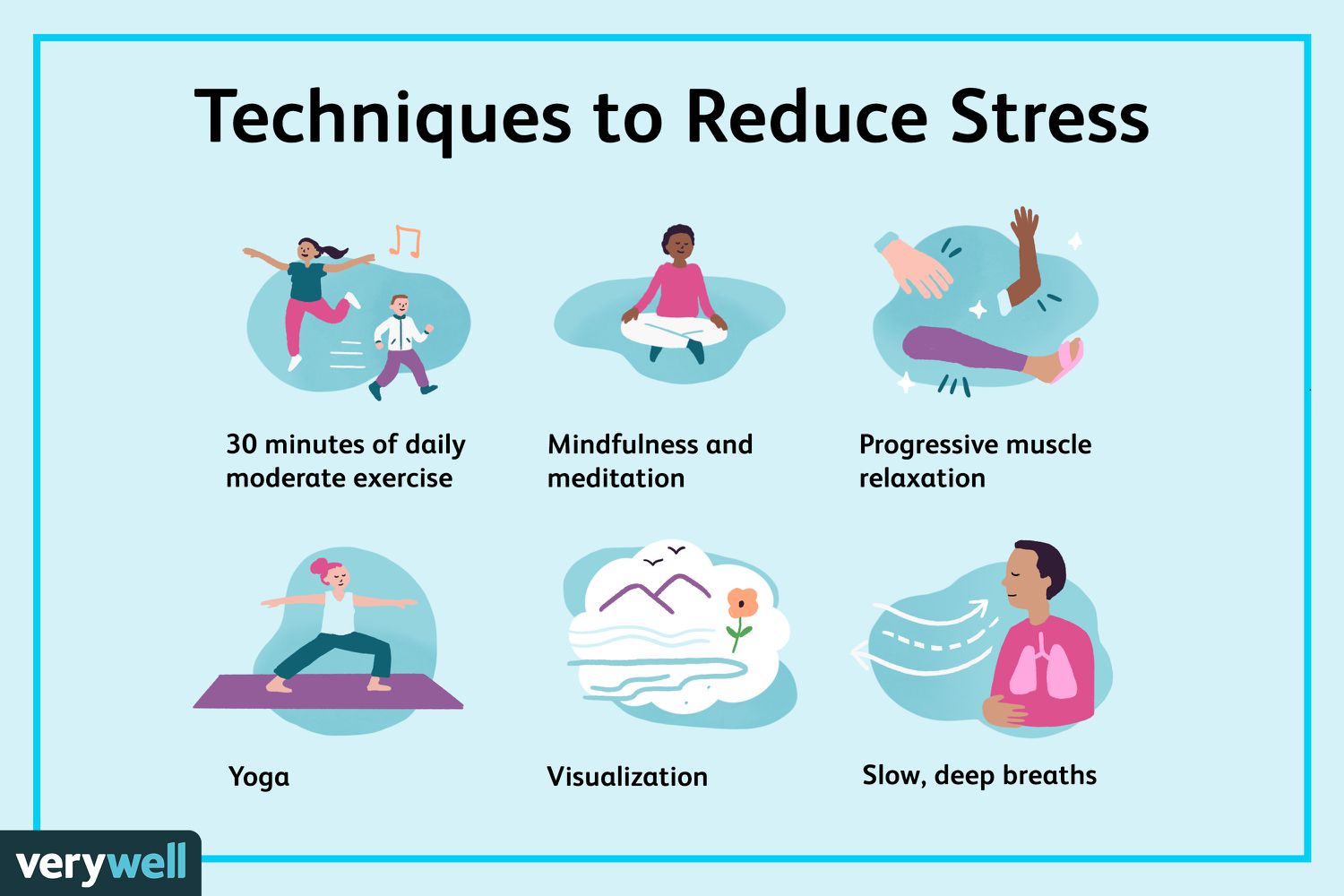
1. Deep Breathing Exercises
Deep breathing is one of the fastest ways to reduce anxiety naturally.
4-7-8 Breathing Method
- Inhale for 4 seconds
- Hold for 7 seconds
- Exhale for 8 seconds
This activates the parasympathetic nervous system and calms the body within minutes.
2. Mindfulness Meditation
Mindfulness meditation trains your brain to observe thoughts without judgment. Even 10 minutes daily can lower baseline anxiety.
3. Physical Exercise
Exercise burns excess stress hormones and releases endorphins. Walking, yoga, swimming, and jogging are excellent stress relief techniques.
4. Time Management
Use the Eisenhower Matrix to prioritize tasks and reduce overwhelm.
5. Social Support
Healthy relationships naturally buffer stress and improve emotional stability.
Benefits of Stress Management
- Lower blood pressure
- Improved sleep
- Stronger immune system
- Better focus and productivity
- Improved emotional regulation
Practical Tips
- Start with 5 minutes daily practice
- Attach habits to existing routines
- Track your progress
- Be consistent
Conclusion
Stress management is not a one-time fix but a lifelong skill. Small daily habits can create powerful long-term change.
Also read: How to Improve Mental Health Naturally
Related: Daily Productivity Tips
FAQs
How long does stress management take to work?
Deep breathing gives instant relief, while long-term improvements appear within 4–8 weeks of consistent practice.
Can stress management replace medication?
For mild stress, it may help significantly. Consult your healthcare provider before stopping any prescribed medication.
What is the most effective stress relief technique?
Mindfulness meditation, physical exercise, and breathing exercises have the strongest scientific support.
Effective Stress Management Techniques to Reduce Anxiety
Stress and anxiety have become common problems in today’s fast-paced world. Work pressure, financial responsibilities, and personal challenges can all contribute to mental exhaustion. Learning Effective Stress Management Techniques to Reduce Anxiety is essential for maintaining both mental and physical health. When stress is managed properly, anxiety levels automatically decrease.
Understanding Stress and Anxiety
Stress is the body’s natural response to pressure. However, when stress becomes chronic, it can lead to anxiety, sleep problems, headaches, digestive issues, and even heart-related conditions. Anxiety often appears as constant worry, restlessness, irritability, or difficulty concentrating. Understanding the connection between stress and anxiety is the first step toward better mental health.
1. Practice Deep Breathing
Deep breathing is one of the simplest yet most powerful stress management techniques. Controlled breathing helps calm the nervous system and reduces anxiety quickly. You can try the 4-4-4 breathing method:
- Inhale slowly for 4 seconds
- Hold your breath for 4 seconds
- Exhale slowly for 4 seconds
Repeat this cycle for 3–5 minutes daily to experience noticeable relaxation.
2. Exercise Regularly
Physical activity is a natural stress reliever. Exercise releases endorphins, which are also known as “feel-good hormones.” Even a 30-minute walk, light jogging, yoga, or home workout can significantly improve mood and reduce anxiety. Regular movement keeps both the body and mind healthy.
3. Maintain a Healthy Routine
A structured daily routine creates stability in life. Try to sleep at least 7–8 hours each night. Eat balanced meals that include fruits, vegetables, and protein. Avoid excessive caffeine and sugar intake because they can increase anxiety symptoms. A healthy lifestyle plays a major role in Effective Stress Management Techniques to Reduce Anxiety.
4. Practice Mindfulness and Meditation
Mindfulness teaches you to focus on the present moment instead of worrying about the future. Meditation for 10–15 minutes daily can calm racing thoughts and improve emotional control. Guided meditation apps and YouTube sessions are helpful for beginners who want to start their mindfulness journey.
5. Limit Social Media and News Consumption
Constant exposure to negative news and social media comparisons can increase stress and anxiety. Taking regular digital breaks can help protect your mental health. Try to set specific times for checking social media and avoid scrolling before bedtime.
6. Talk to Someone You Trust
Sharing your feelings with a trusted friend, family member, or professional counselor can reduce emotional burden. Talking openly about problems provides clarity and emotional support. Seeking help is a strength, not a weakness.
7. Engage in Relaxing Activities
Spending time on hobbies such as reading, listening to music, gardening, cooking, or painting can significantly lower stress levels. Relaxing activities refresh the mind and promote emotional balance.
Final Thoughts
Implementing these Effective Stress Management Techniques to Reduce Anxiety can greatly improve your overall well-being. Start with small changes and build healthy habits gradually. Consistency is key when managing stress. By practicing these techniques regularly, you can create a calmer, more balanced, and healthier life.
